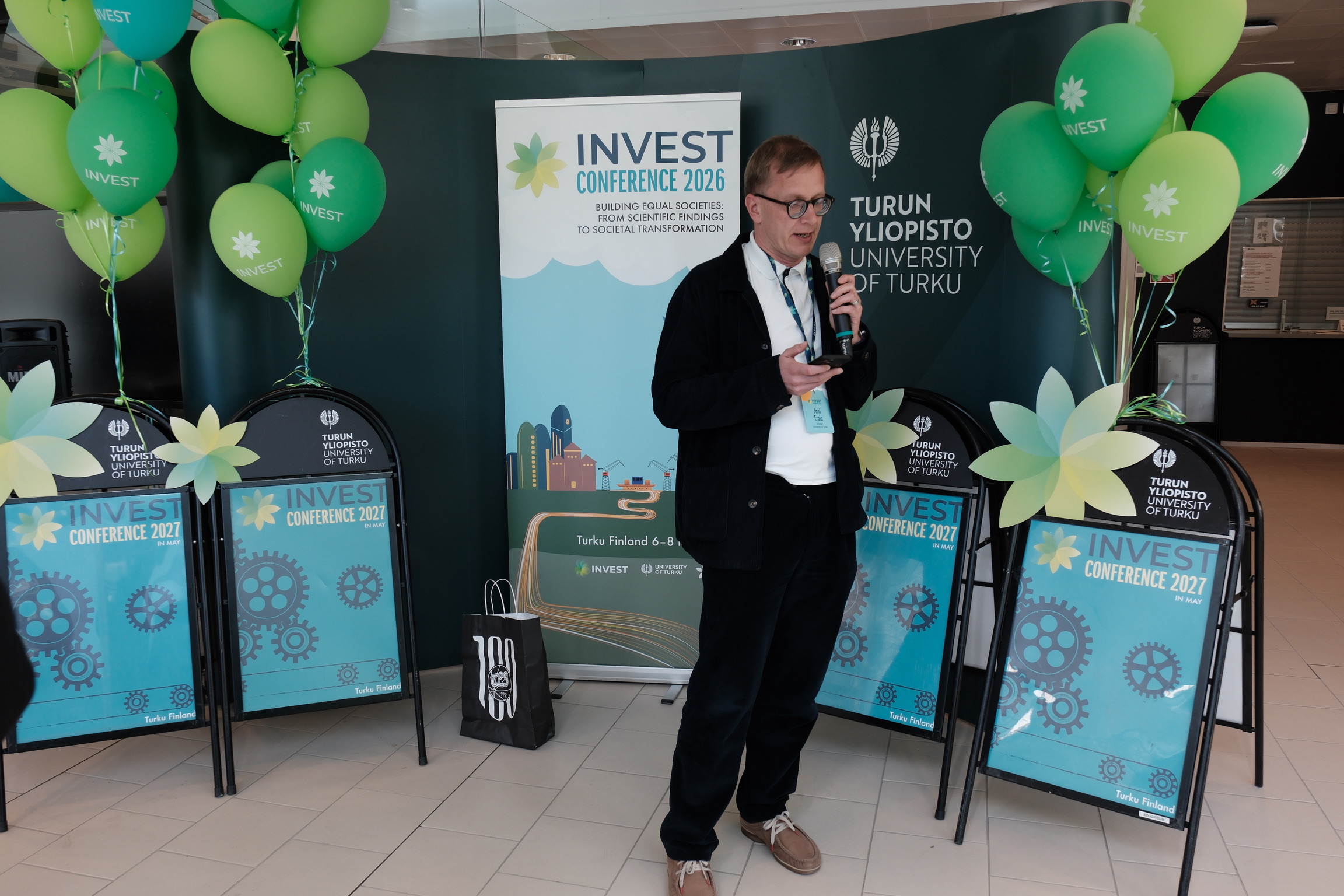

Building More Equal Societies Requires Dialogue Between Research and Society
From the very beginning, INVEST has aimed not only to produce high-quality research, but also to ensure that research reaches beyond academia and contributes to society. Research alone is not enough if knowledge does not find its way into decision-making, public discussion, and everyday life.
Societal impact is rarely easy. It requires researchers to step into public debate, to expose their work — and sometimes themselves — to criticism, political pressure, and even hostility when findings do not align with prevailing opinions or political agendas.
Yet the responsibility of research has only grown greater. Societies across Europe are facing mounting challenges: public resources are becoming more limited, demographic change is reshaping welfare systems, and mental health problems among children and young people continue to increase. In times like these, research is not a luxury. It is part of the foundation on which better and more equal societies are built.
The INVEST Conference focused this year around this theme.
The conference started with a pre-conference on Wednesday. The pre-conference focused on the theme of achieving social impact.
Professor André Sourander addressed the global megatrends on adolescent mental health, Research Professor Pasi Moisio explained the role of research across the policy cycle, and Professor Pigga Keskitalo‘s speech highlighted the importance of strategic research in shaping societal development.
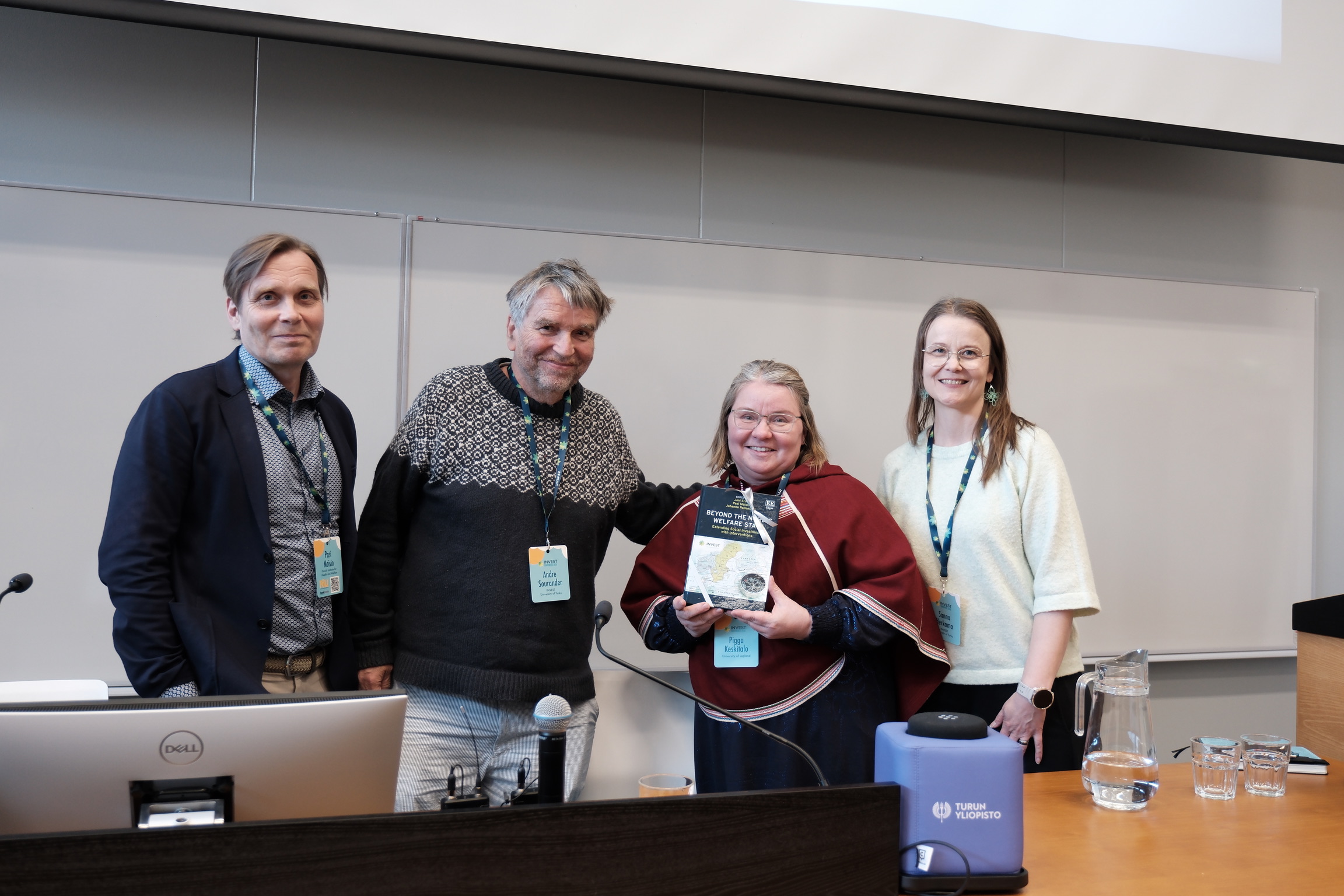
Professors Pasi Moisio, André Sourander, Pigga Keskitalo and pre-conference fasilitator Senior Researcher Sanna Herkama
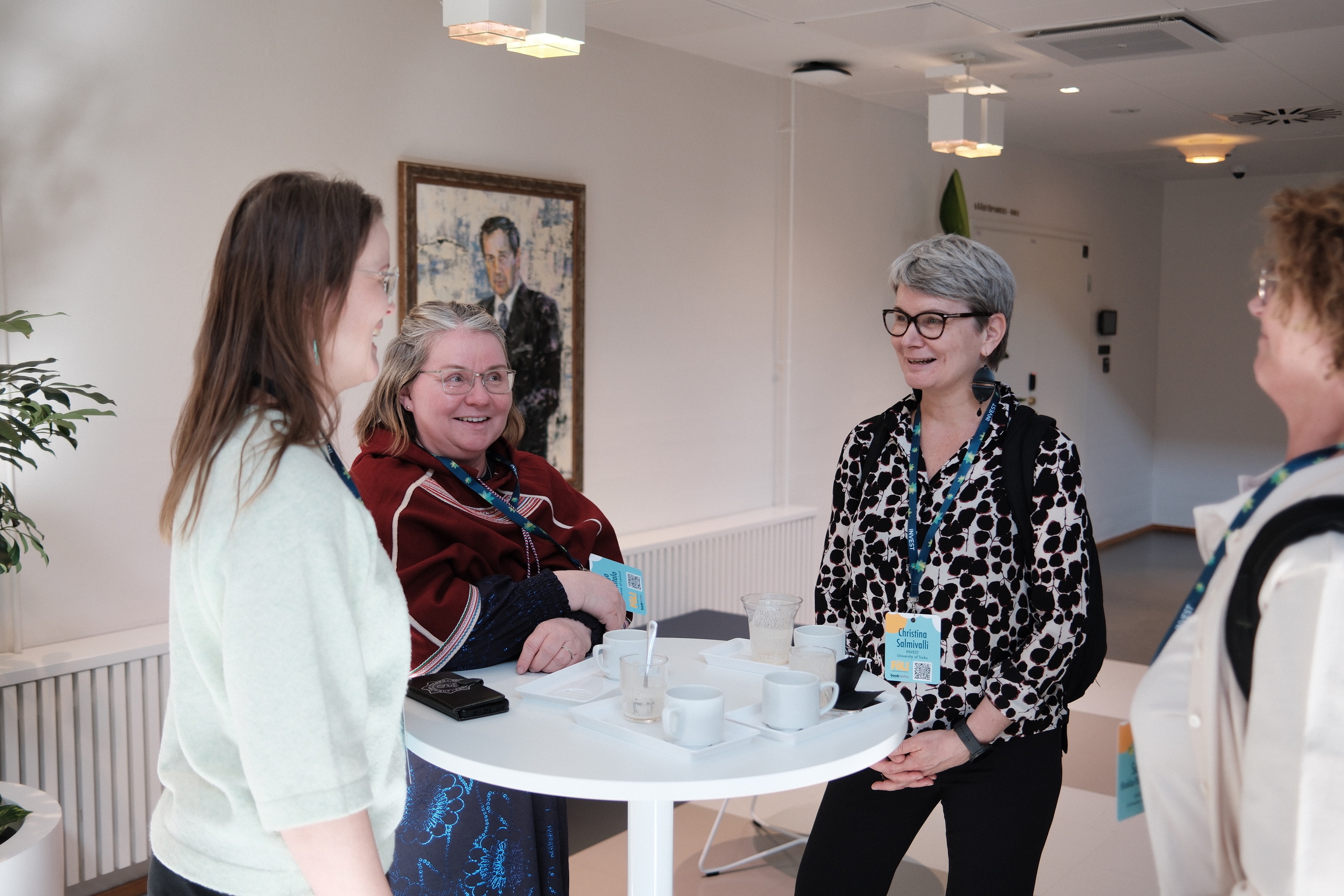
Coffee break discussions
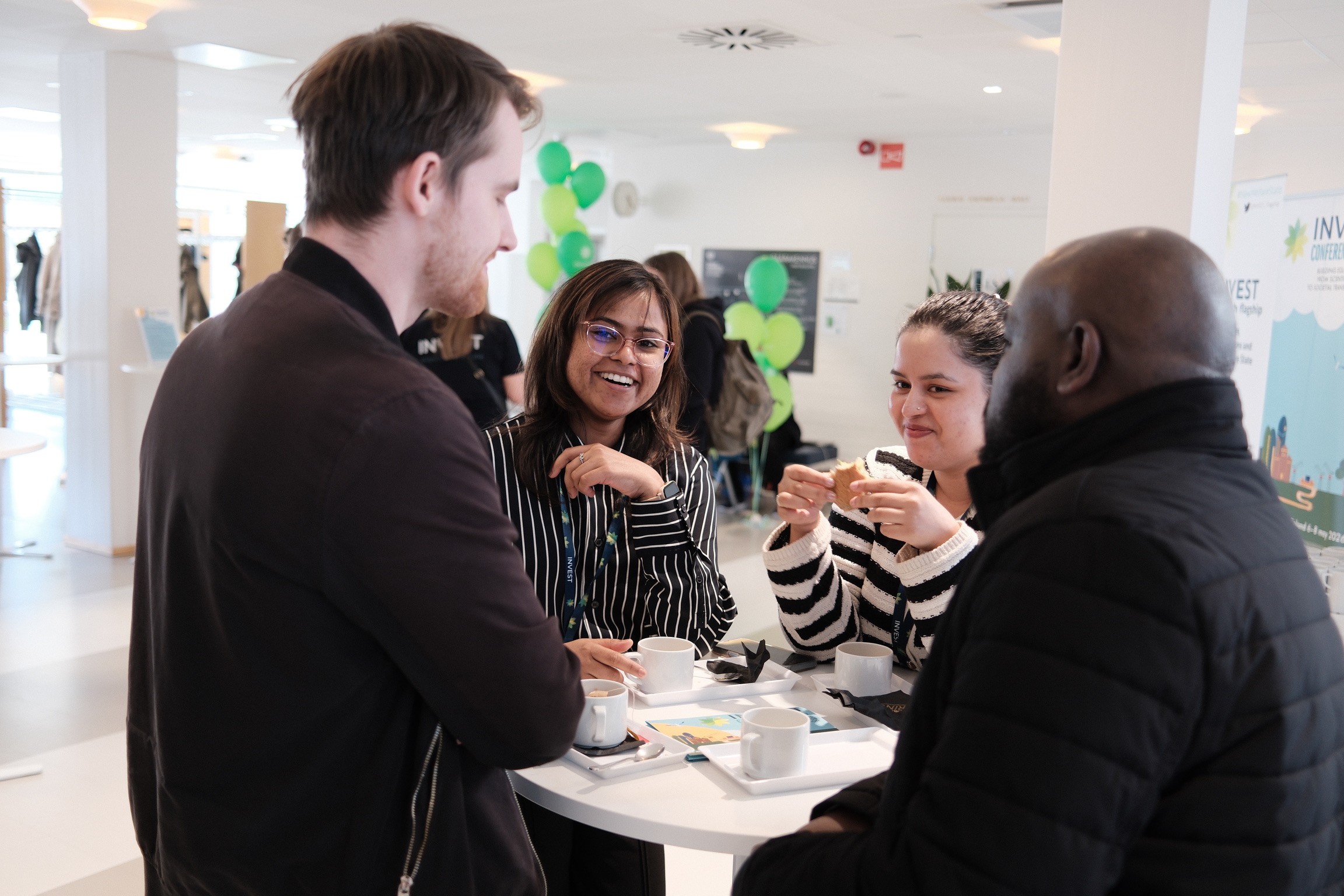
Coffee break discussions
Thursday’s keynote by professor Philip N. Cohen highlighted the need to prepare for a world with decreasing population. Demographic change is already reshaping societies, and responding to it requires thoughtful, research-informed policies as well as open public discussion.
Cohen also raised an important point about communicating research in today’s media environment: if people are increasingly looking for entertainment, researchers (and communicators!) must find better ways to make evidence-based knowledge more entertaining.
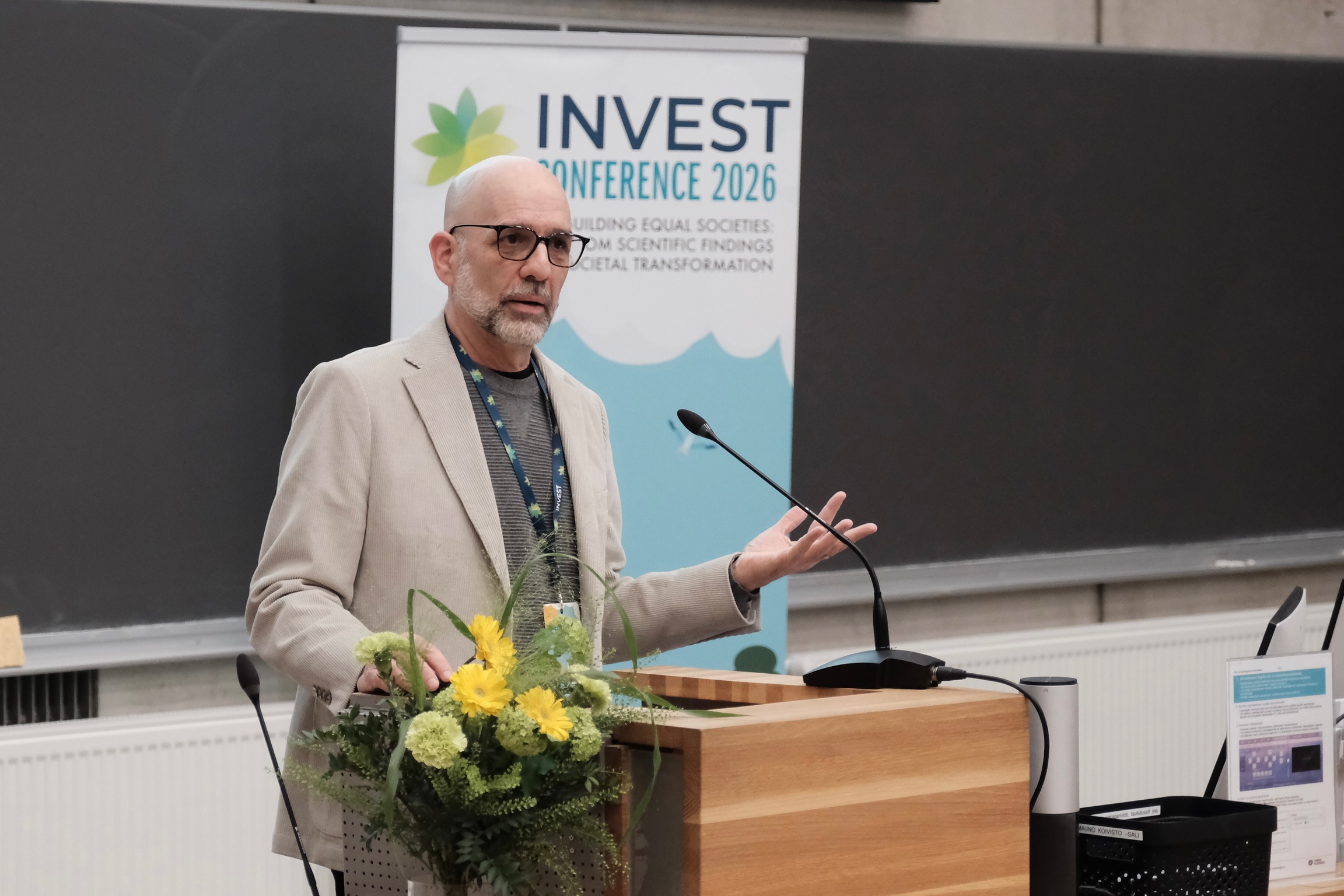
Professor Philip N. Cohen


Alongside Cohen’s keynote, the day was filled with three parallel sessions and lively discussions all around the conference premises.


Professor Kathryn Paige Harden started the final conference day. In her key note speech she examined how applying GWAS – Genome-wide association studies – to social science can help researchers better understand human development, inequality, and the complex interaction between biology and social environments. As genetics is still a less familiar field within many of INVEST’s research areas, the keynote sparked lively discussion and plenty of questions from the audience after the session.
Beyond the scientific insights, Kathryn Paige Harden also shared a wise piece of advice for students and early-career researchers: “Don’t underestimate what you want to do.” That advice resonates far beyond academia.

Professor Kathryn Paige Harden

The conference continued with two more parallel session. Altogether the conference had 107 presentations in 26 sessions exploring themes such as digital environments, migration, socioeconomic inequalities in health and wellbeing, fertility, and quality of life.


Welcome again next May to INVEST Conference 2027!